Onion Gravies
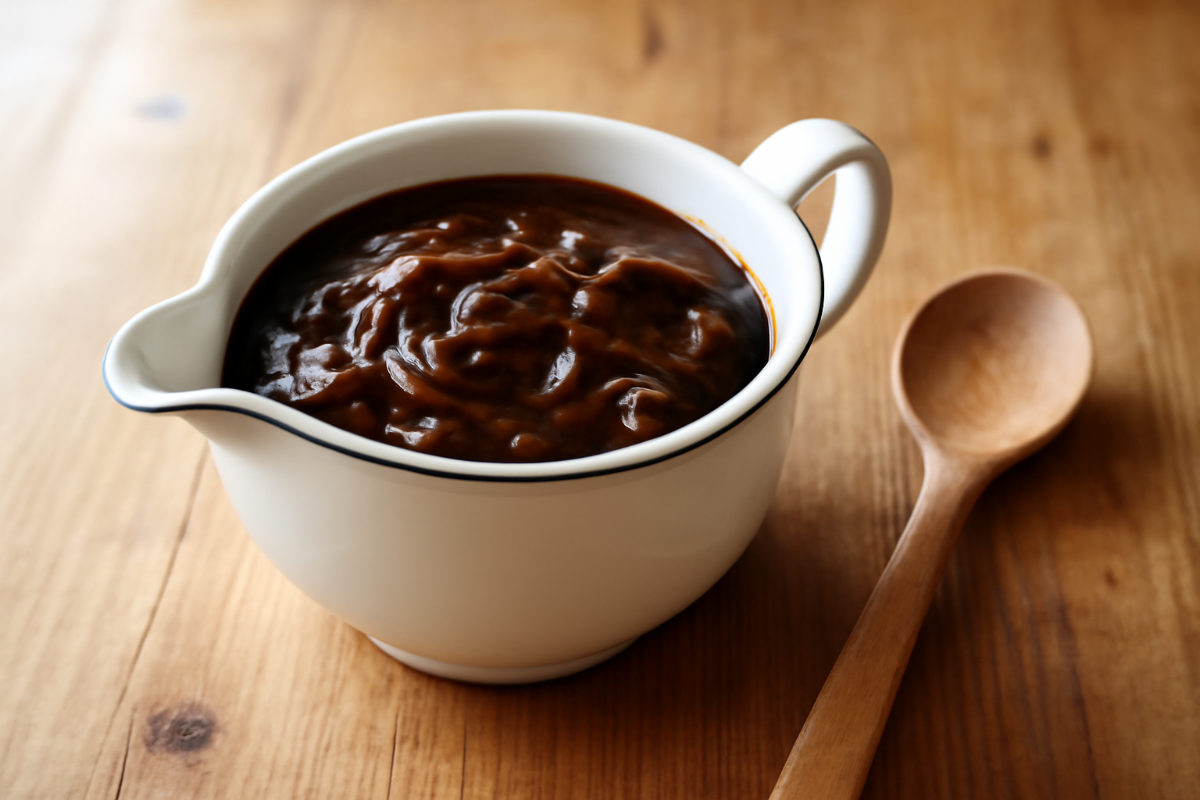
Classic British Onion Gravy
Three brown onions cooked down slowly in butter and oil, built into a flour thickened beef gravy that stays glossy…
312 recipes and counting
Every gravy worth making, written out properly. Metric and imperial, real technique, and the fixes for when it goes lumpy, thin or grey. No life story before the ingredients.
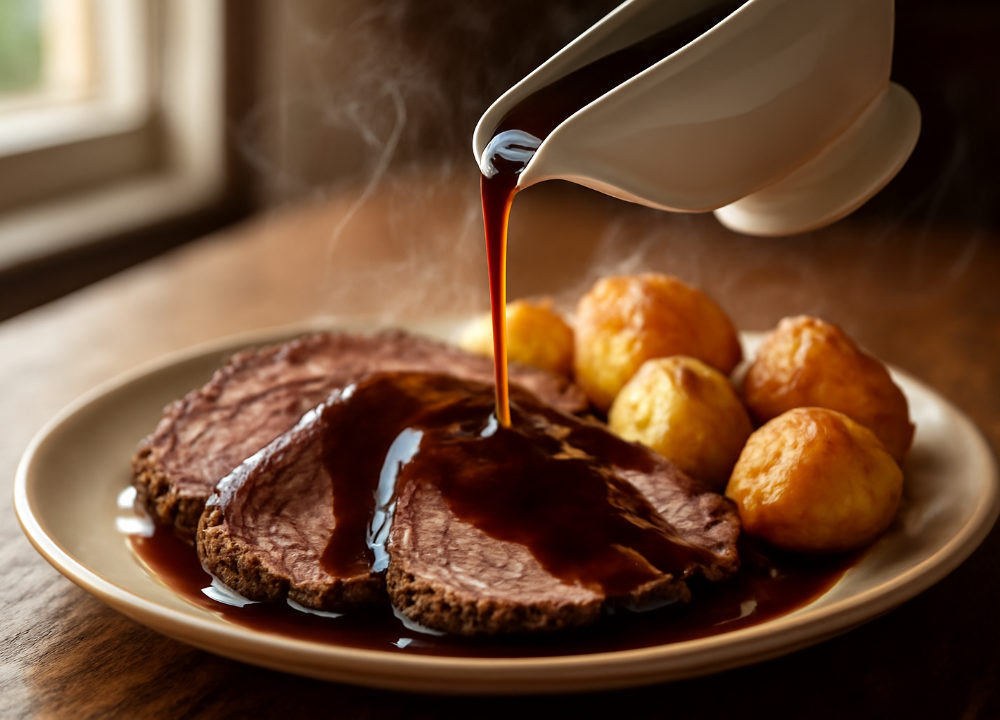
The ones people actually search for, done the way they should be.
Onion Gravies
Three brown onions cooked down slowly in butter and oil, built into a flour thickened beef gravy that stays glossy…
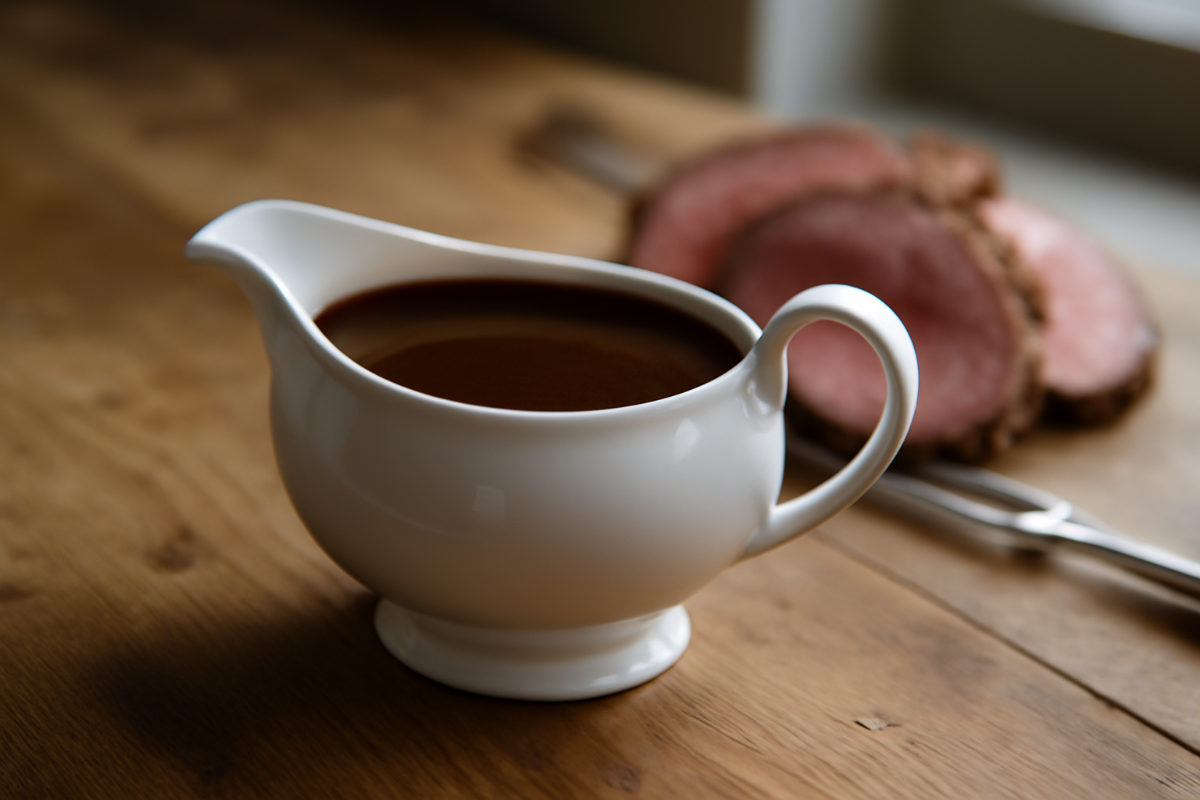
Sunday Roast Gravies
A proper beef gravy built straight in the roasting tin, thickened with a little flour and loosened with hot beef…

Regional British and Irish Gravies
The thick, mild, faintly sweet curry sauce that sits on top of chips without running off, built from onion, mild…
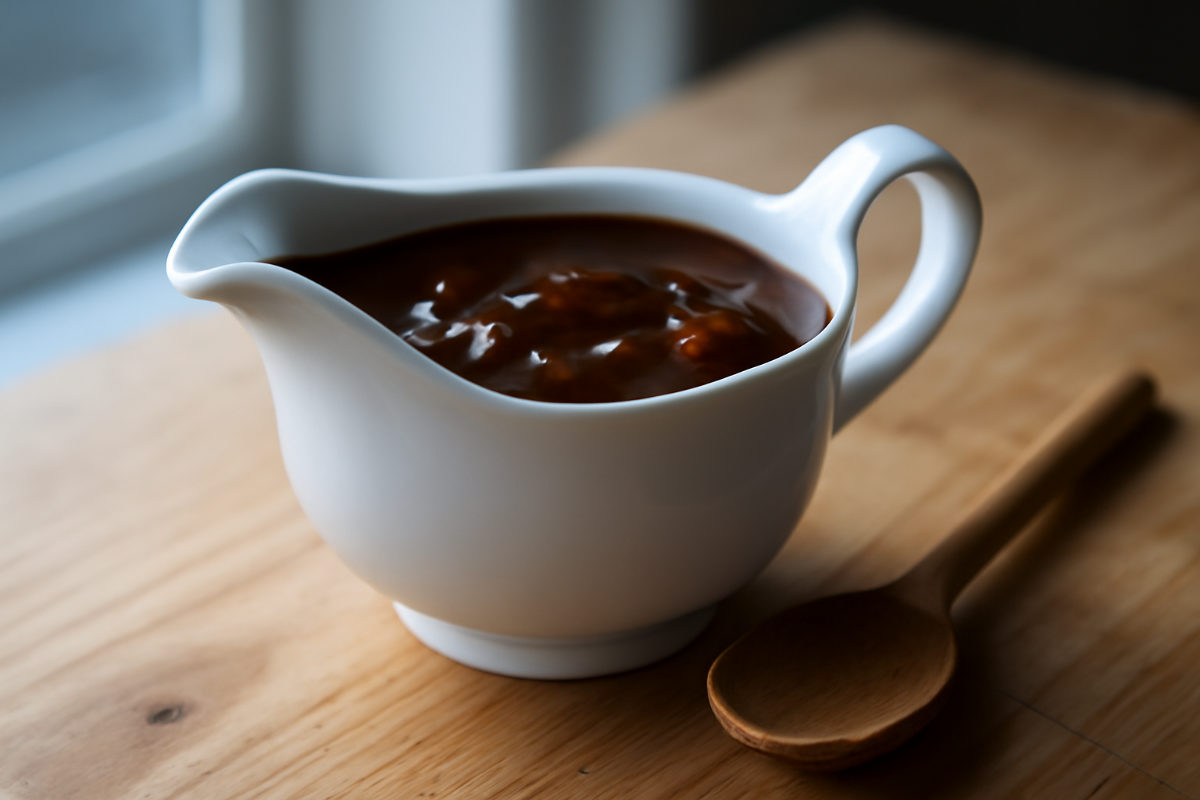
Vegetarian and Vegan Gravies
Three big onions taken slowly to a deep mahogany brown, then built into a glossy gravy with yeast extract and…
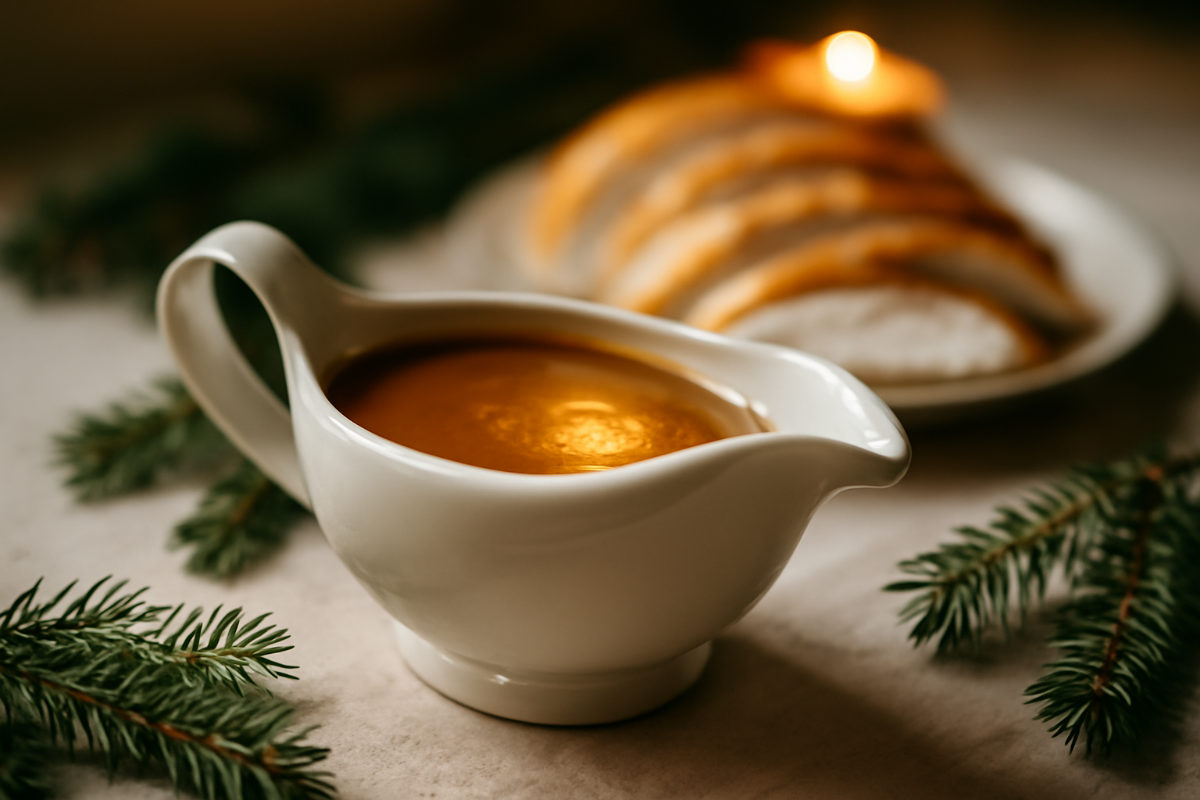
Christmas and Festive Gravies
Giblet stock made the day before, a roux built in the roasting tin while the bird rests, and every drop of resting…
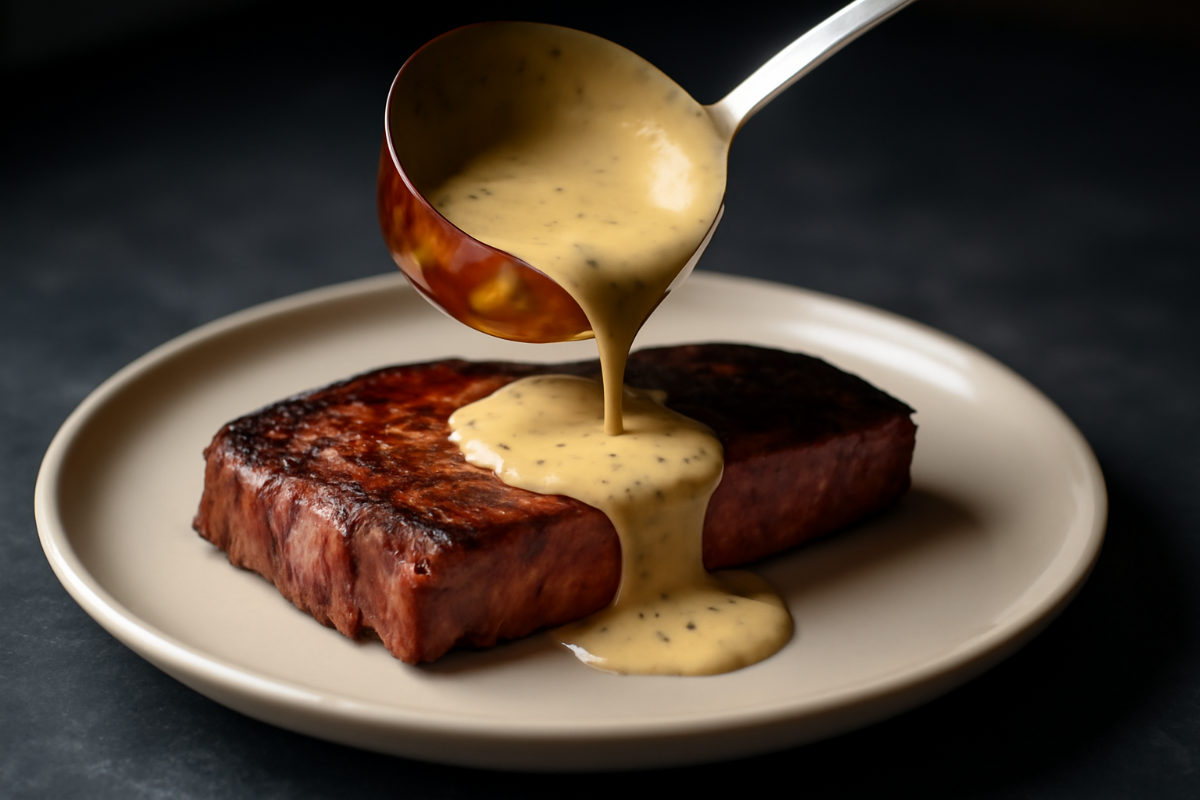
Creamy Gravies and Sauces
Green and black peppercorns crushed by hand, softened in butter with shallot, deglazed with brandy and finished with…
Twelve ways in. Every recipe sits in one of them.
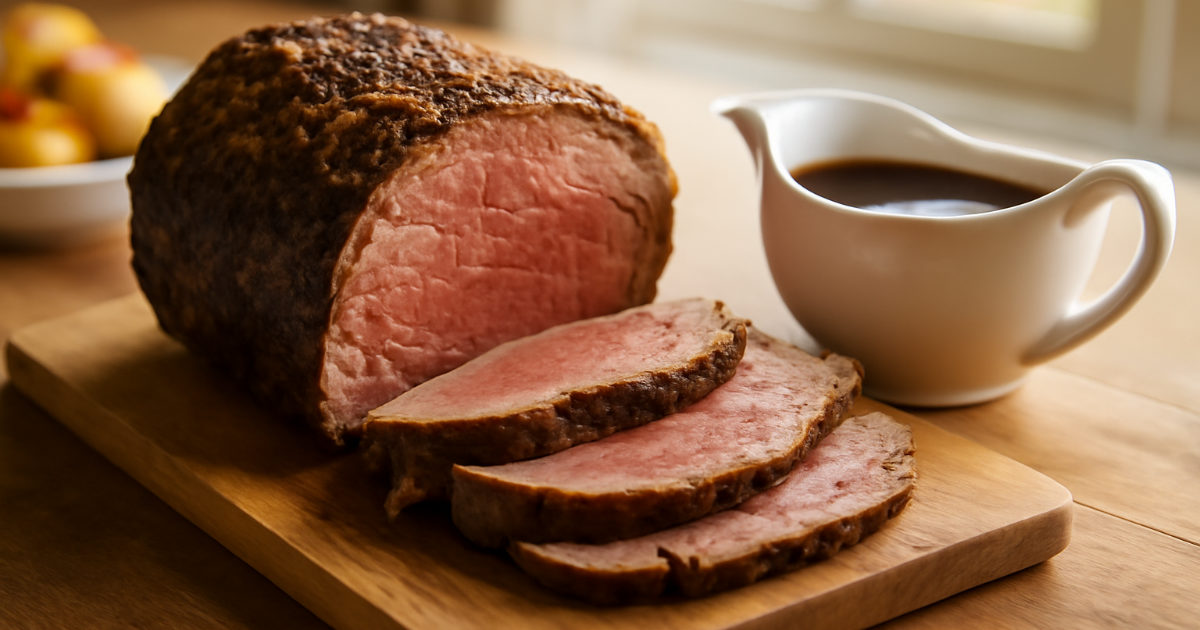
The pan gravies that belong beside a proper roast dinner, built on the juices in the tin.
26 recipes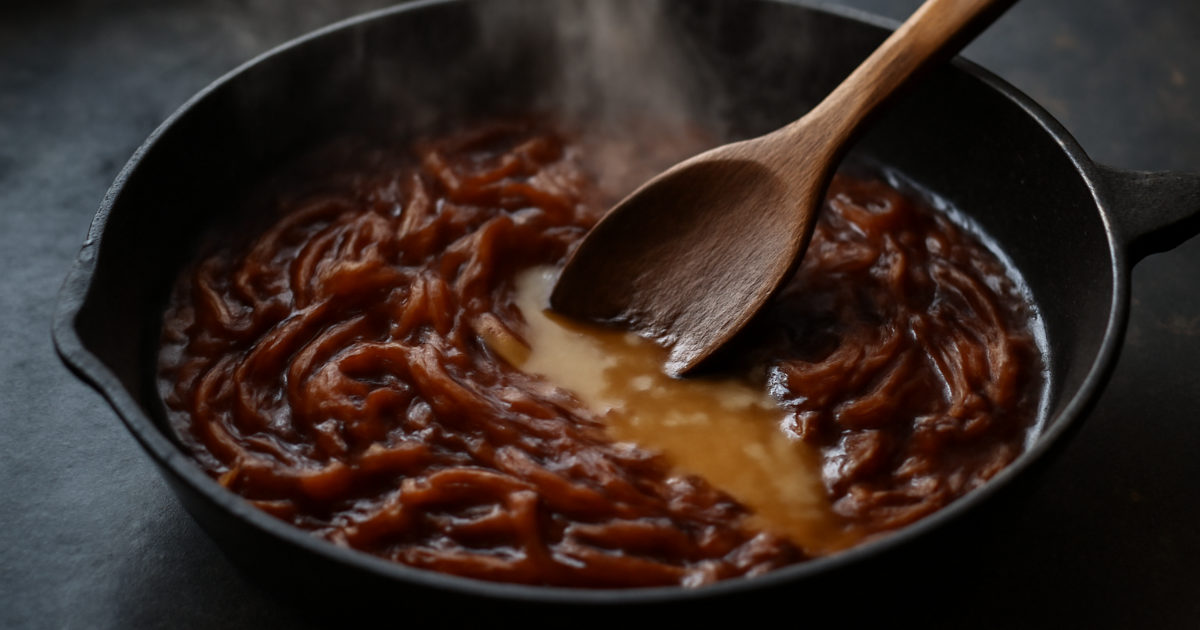
Slow softened onions, deep colour and sweetness. The backbone of British comfort food.
26 recipes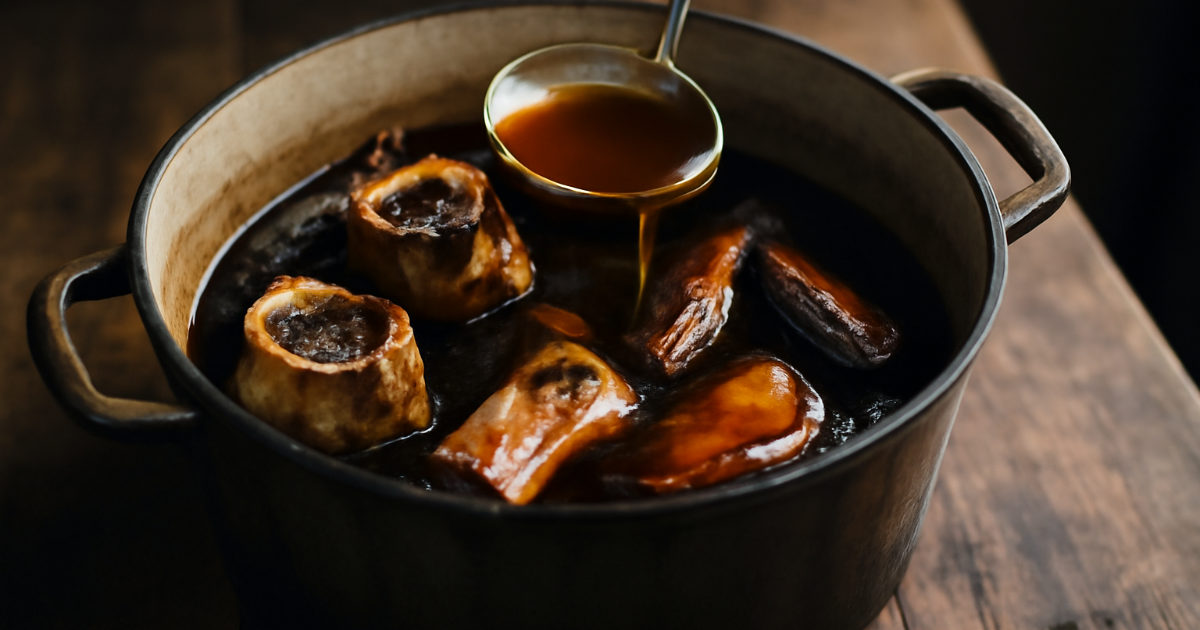
The long way round. Roasted bones, proper stock and reductions with real depth.
26 recipes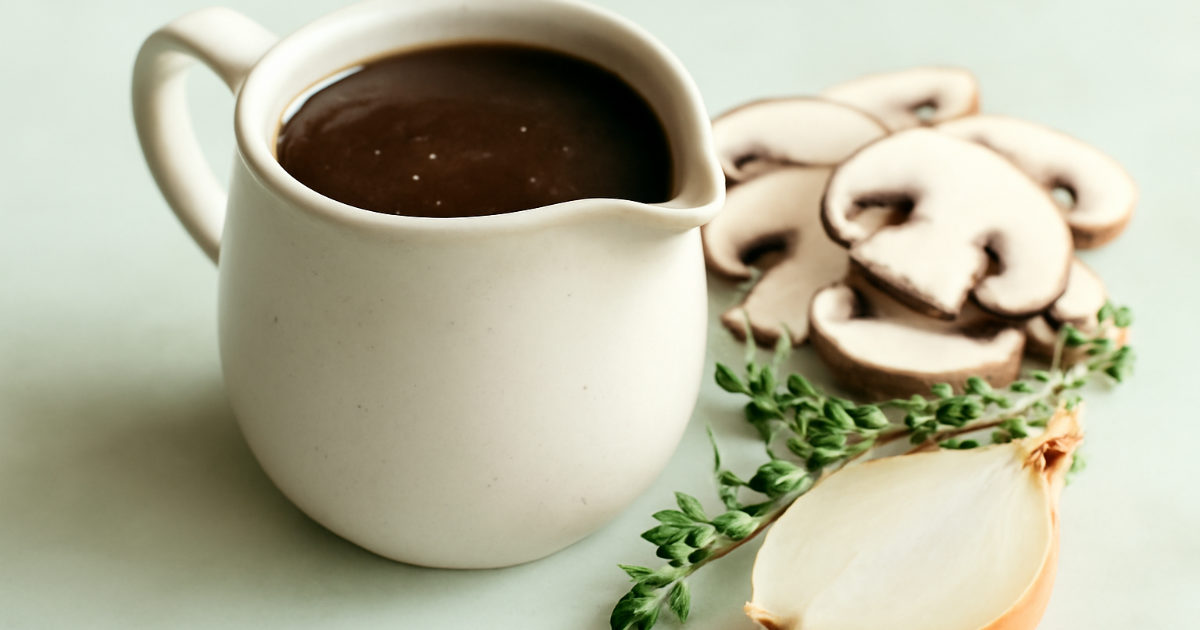
No meat, no compromise. Umami built from mushrooms, miso, onions and roasted veg.
26 recipes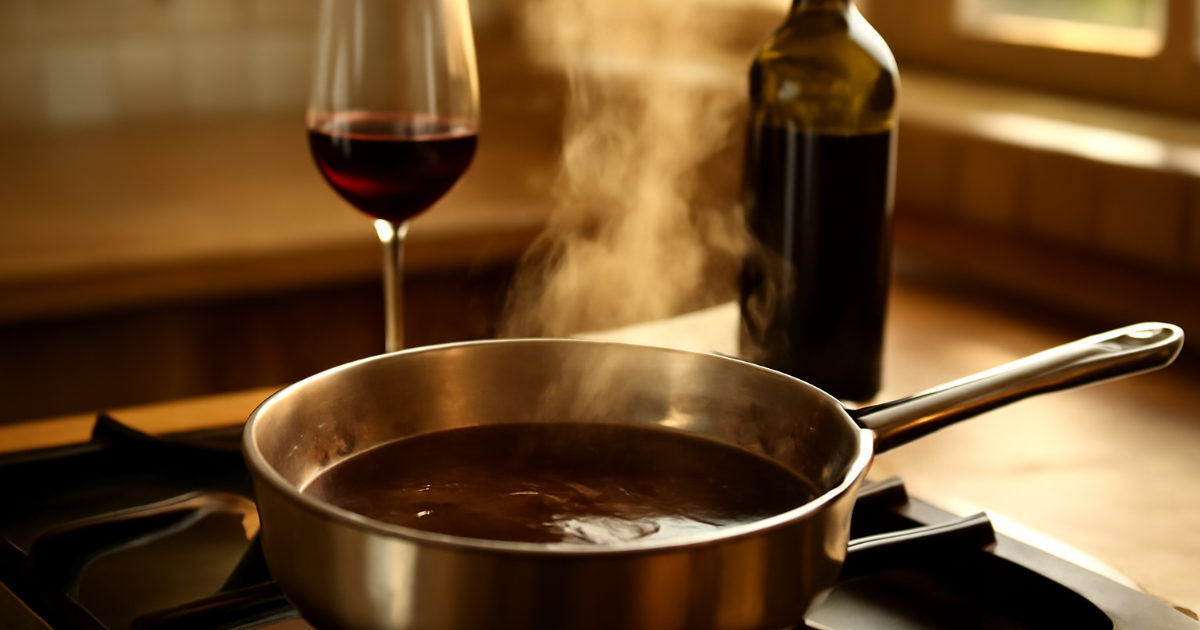
Deglaze with something worth drinking and the gravy comes out miles better.
26 recipes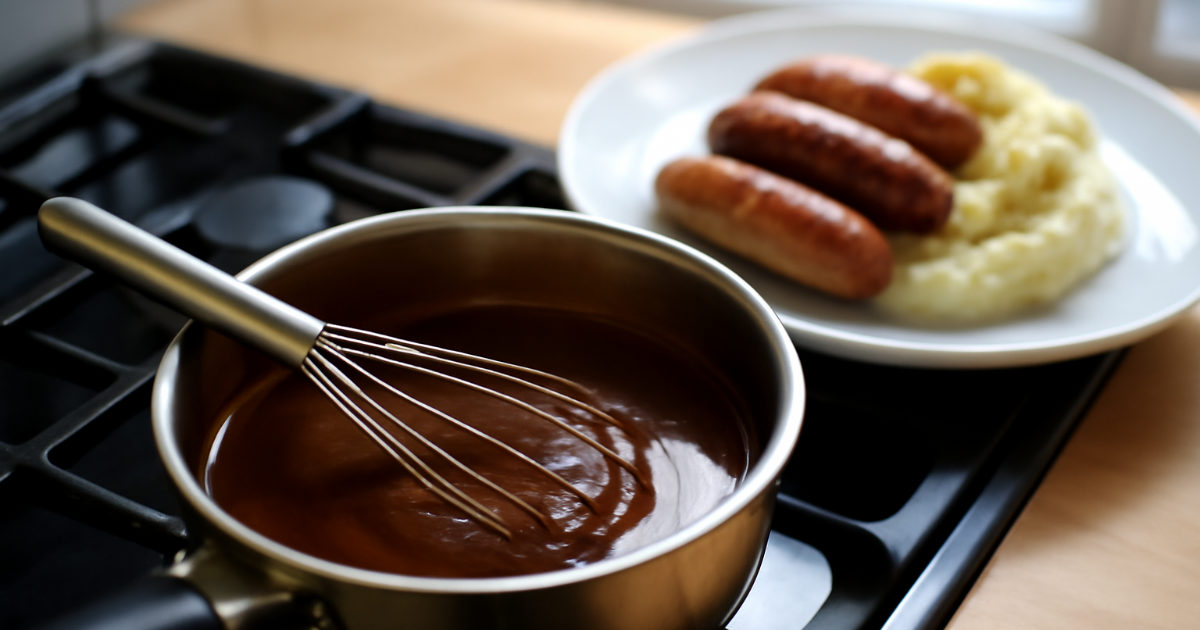
Weeknight gravy that still tastes like you meant it. Most of these are done inside fifteen minutes.
26 recipes
Big day gravy. Made ahead where possible, scaled up, and built to survive a busy kitchen.
26 recipes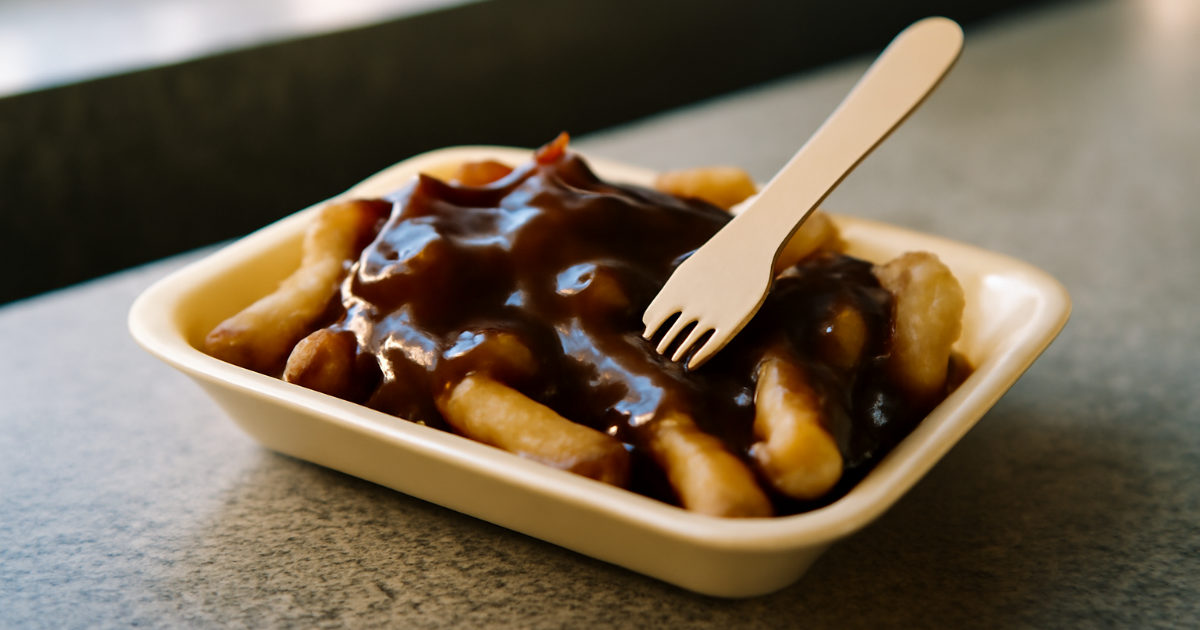
Chip shop gravy, pie and mash liquor, hotpot juices. The gravies of specific streets and counties.
26 recipes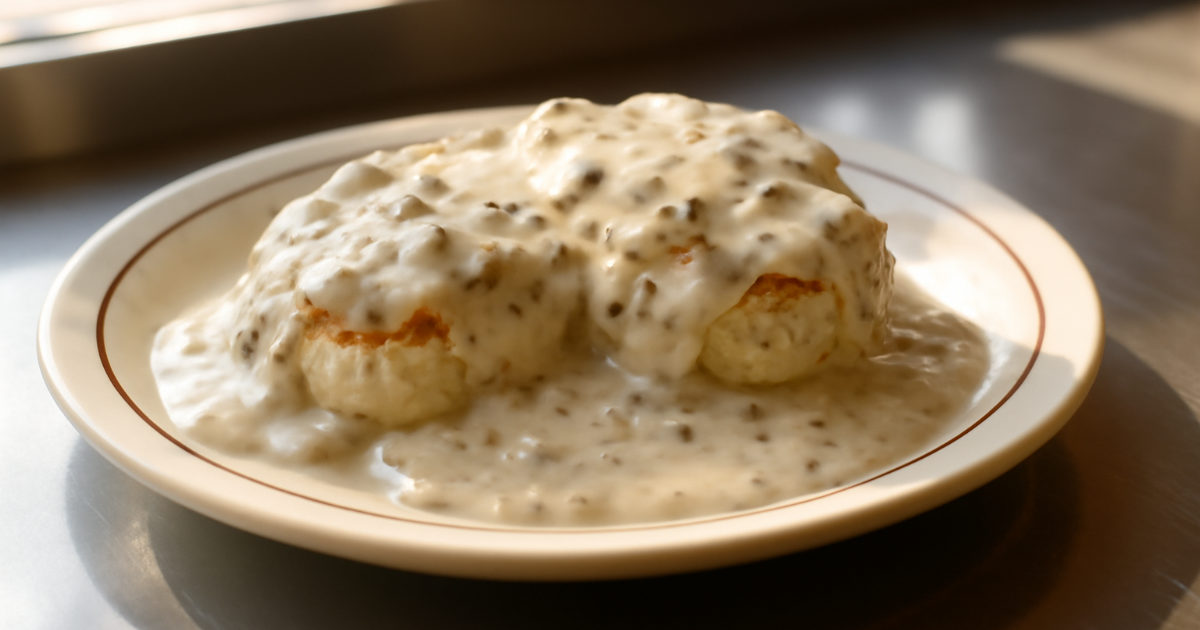
White sausage gravy, roux the colour of an old penny, and biscuits underneath.
26 recipes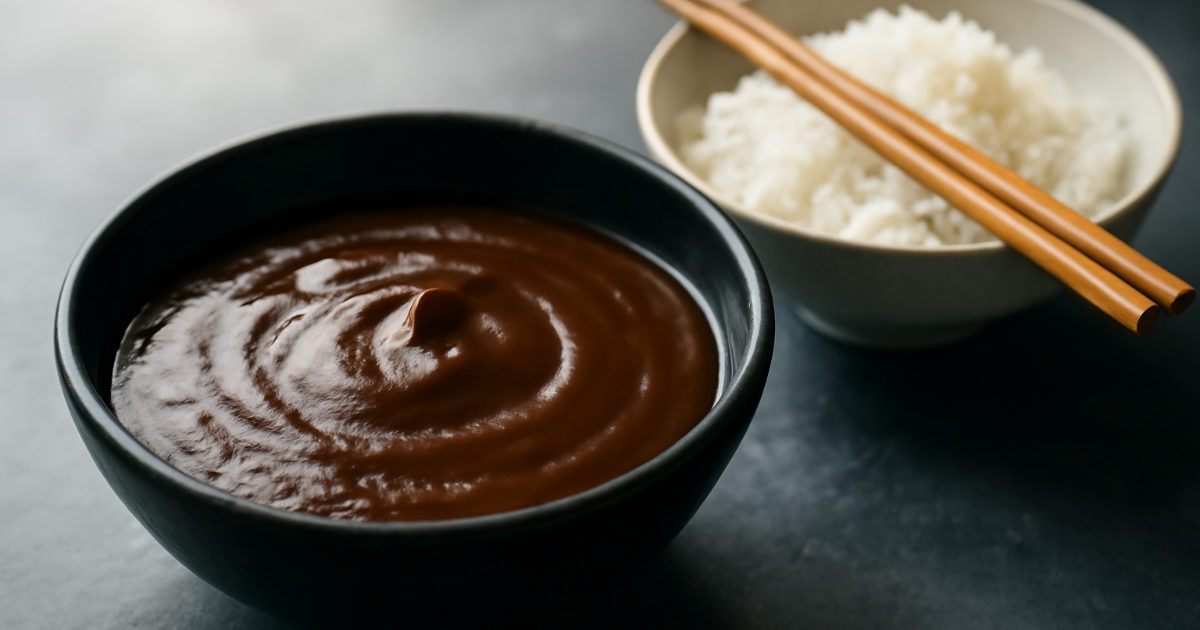
Every country has its version. Japanese curry sauce, Filipino gravy, Caribbean brown stew.
26 recipes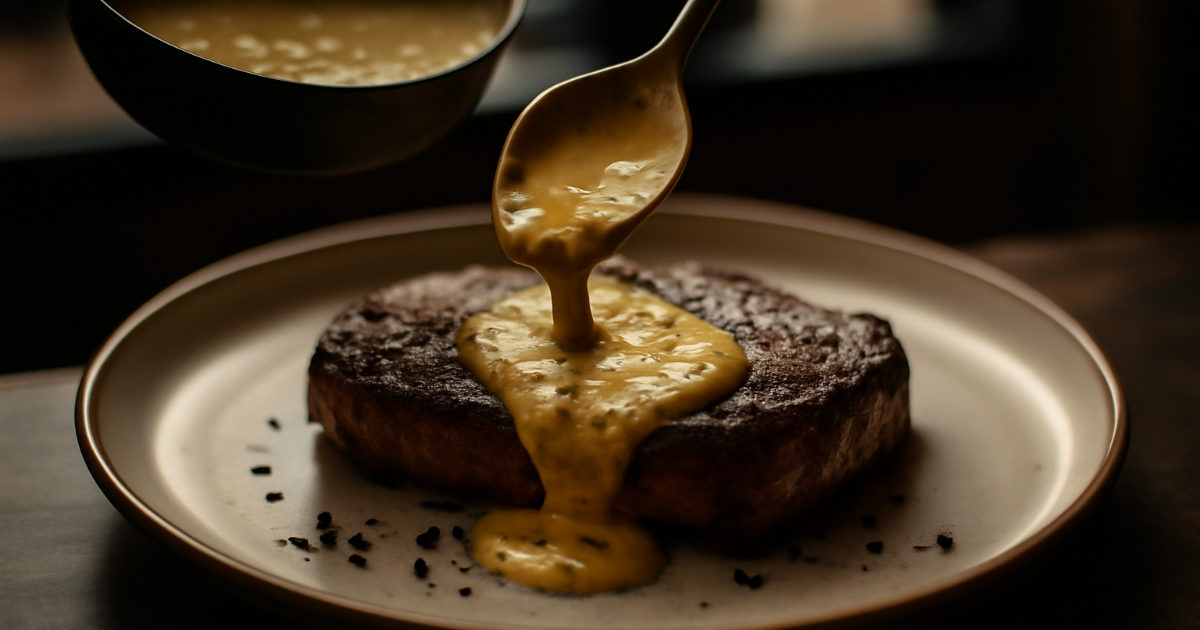
Peppercorn, Diane, mushroom and mustard. The steak night end of the gravy world.
26 recipes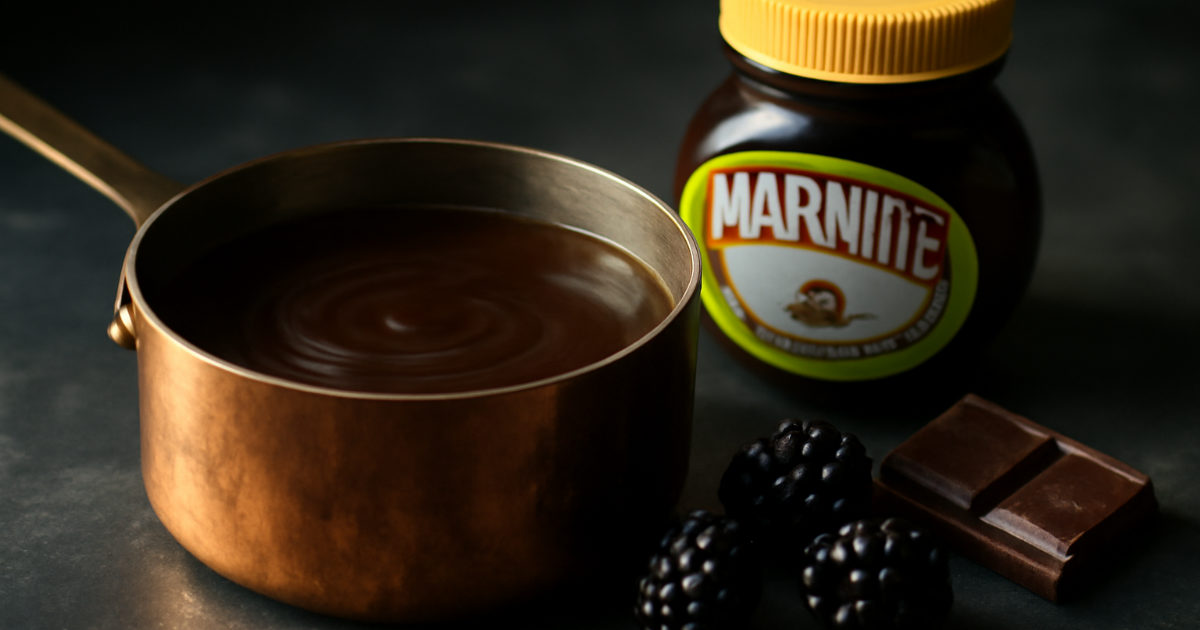
Marmite, miso, coffee, chocolate, blackberries. The ones that sound daft and taste brilliant.
26 recipesWeeknight jobs. Nothing here needs a stock pot on the go since breakfast.
Quick and Easy Gravies
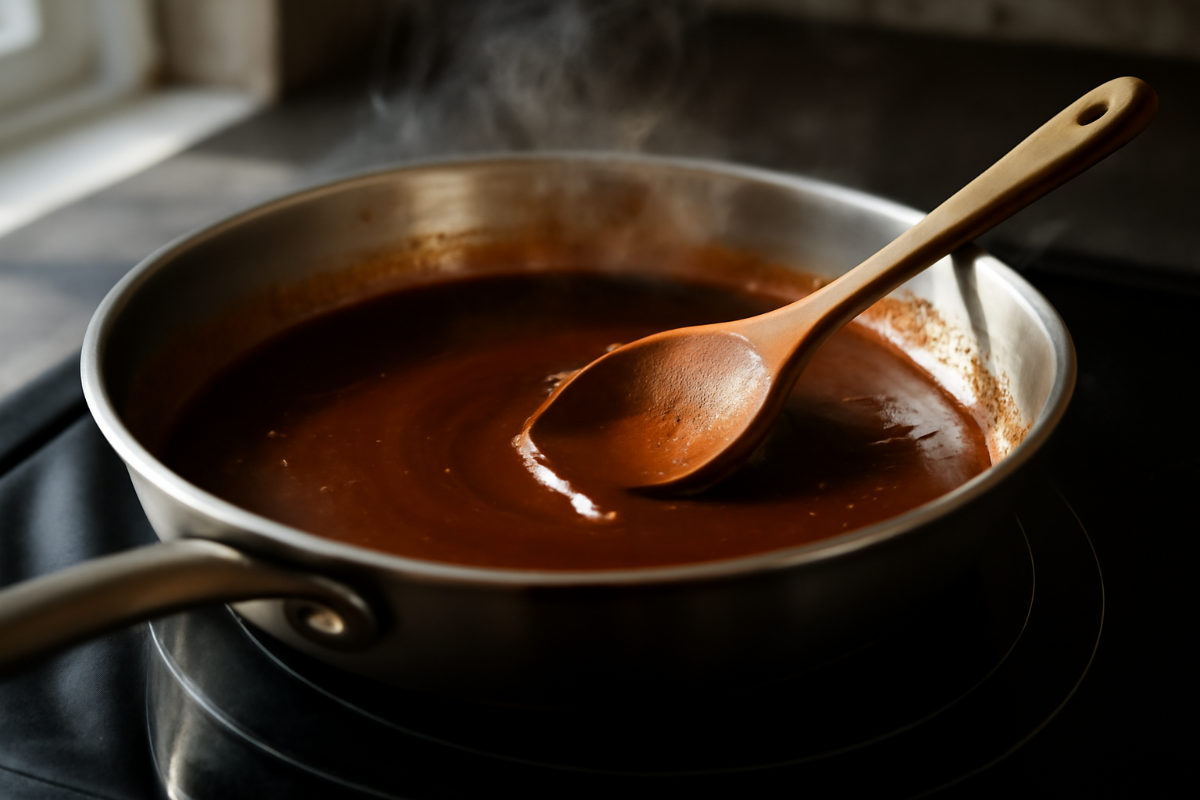
Whatever you just fried leaves a fortune stuck to the pan. Deglaze it, whisk in granules, and you have real gravy in…
Quick and Easy Gravies
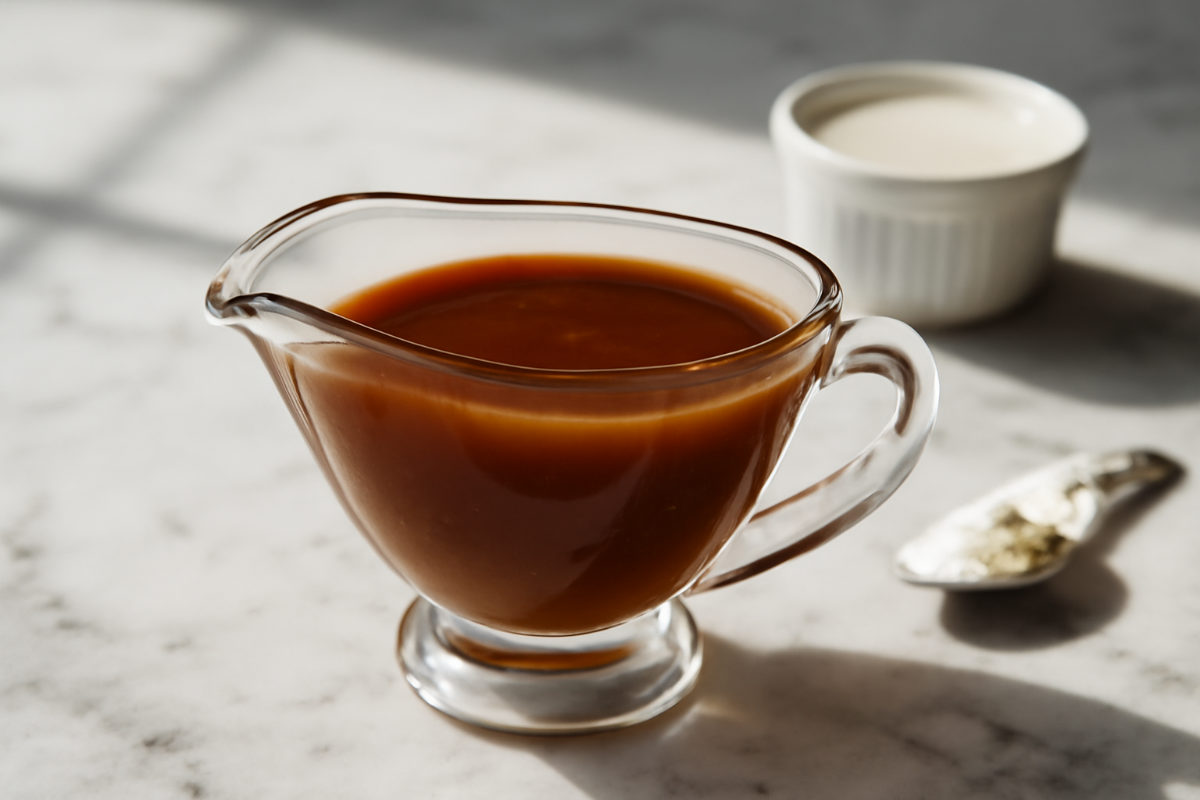
No roux, no waiting, just hot stock brought to the boil and thickened with a cold cornflour slurry. Naturally gluten…

Quick and Easy Gravies
Built entirely in a heatproof jug with nothing but a kettle and a whisk, for hotel rooms, offices, halls and…
Quick and Easy Gravies
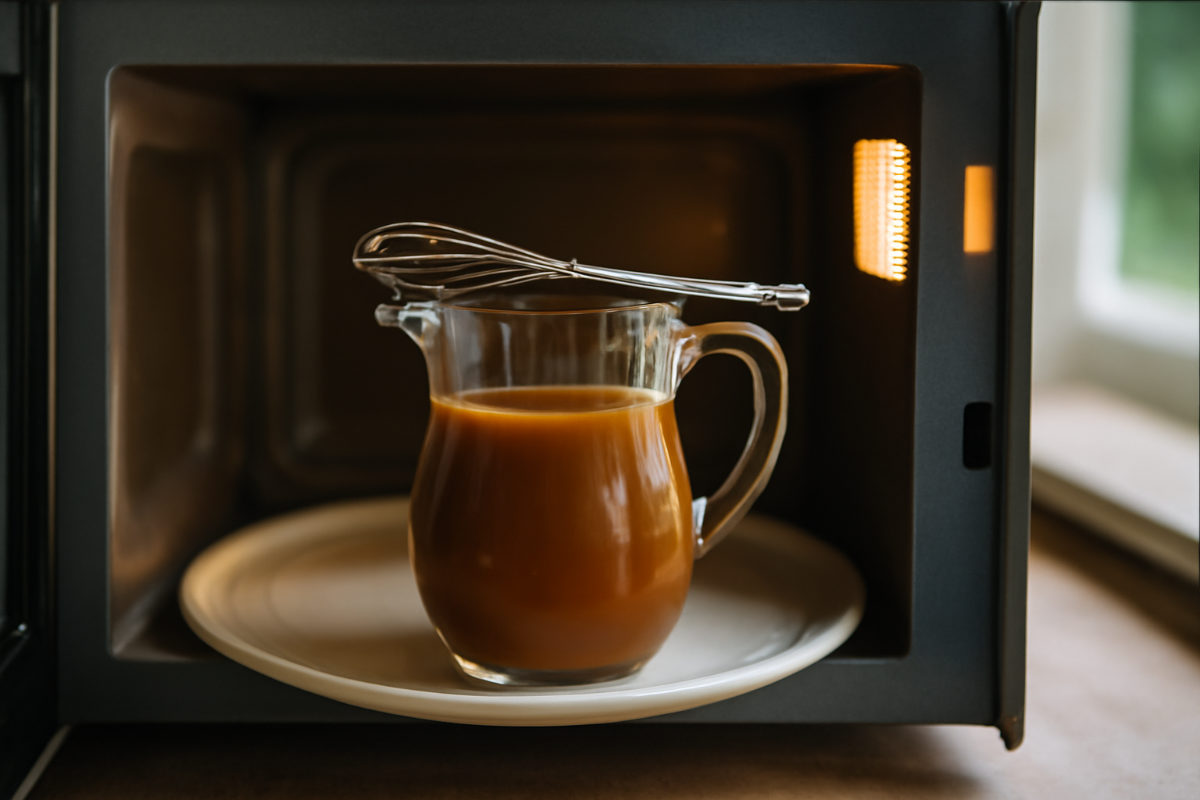
Made entirely in a jug in the microwave with a cornflour slurry, whisked between bursts, no hob and one thing to…
Depth from mushrooms, miso, roasted veg and long cooked onions rather than a meat tin.
American Style Gravies
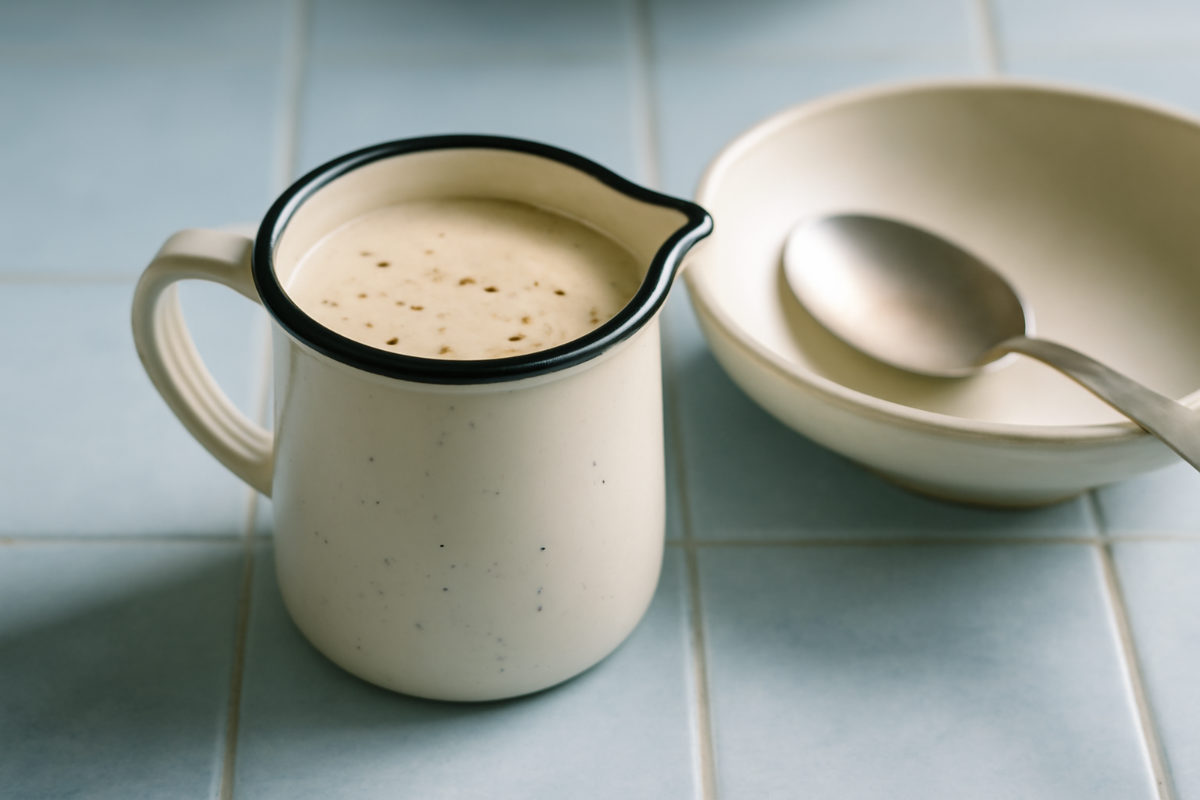
The plainest of the milk gravies, a pale butter roux loosened with milk and seasoned with white and black pepper,…
American Style Gravies
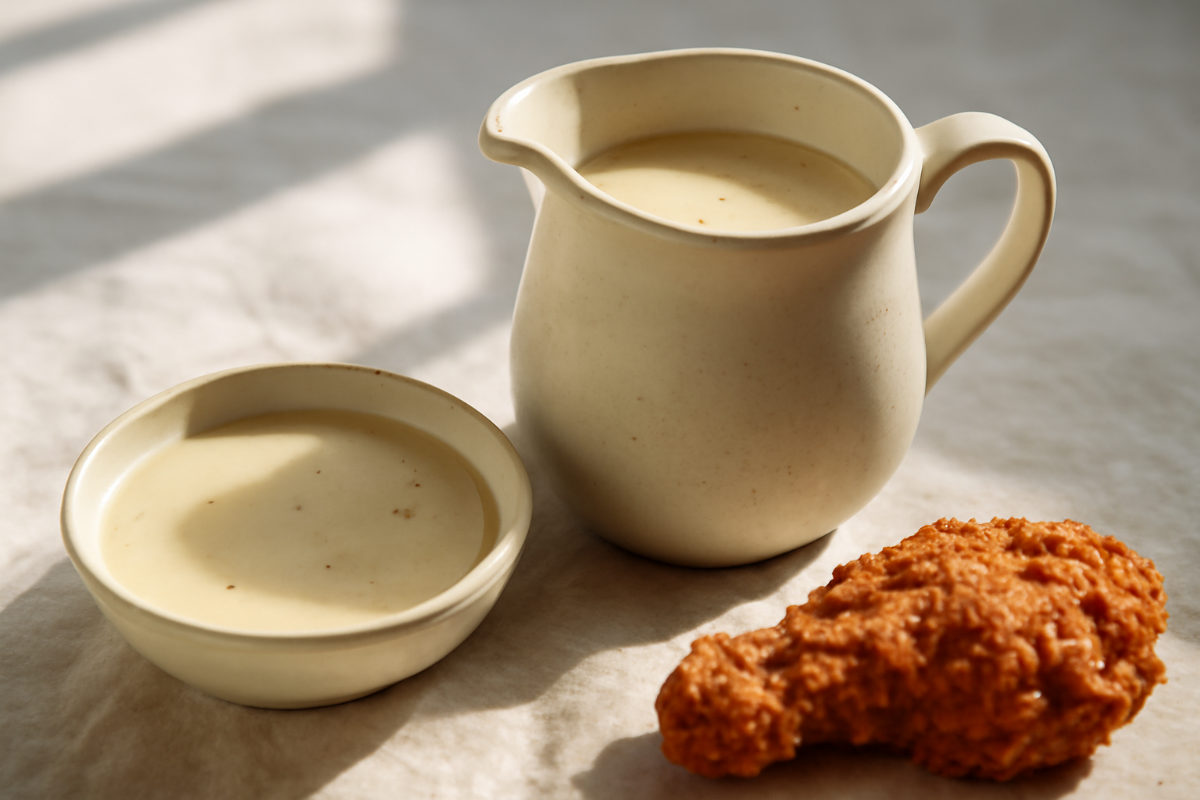
A butter roux let down with milk and then finished off the heat with cold buttermilk, which gives a gentle sourness…

American Style Gravies
A sweet Appalachian breakfast gravy of cocoa, sugar, flour and milk, cooked to a loose pudding and poured hot over…
American Style Gravies
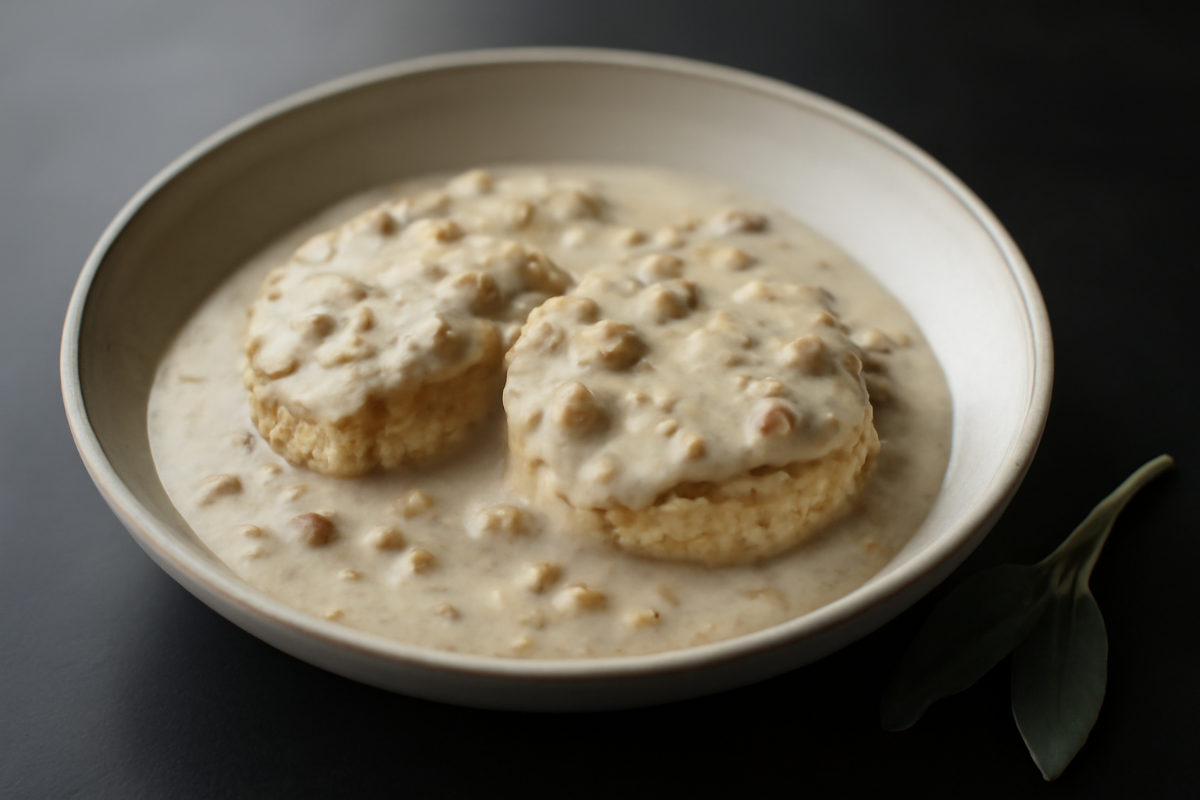
Crumbled plant based sausage browned in oil, built into an oat milk gravy with nutritional yeast and a hit of sage…
Roux or cornflour, why gravy splits, how to fix grey gravy, how to make stock worth using. The guides explain the bits every recipe assumes you already know.